Understanding Daily Eating Habits
Explore how repeated food choices shape your energy patterns and daily experience.
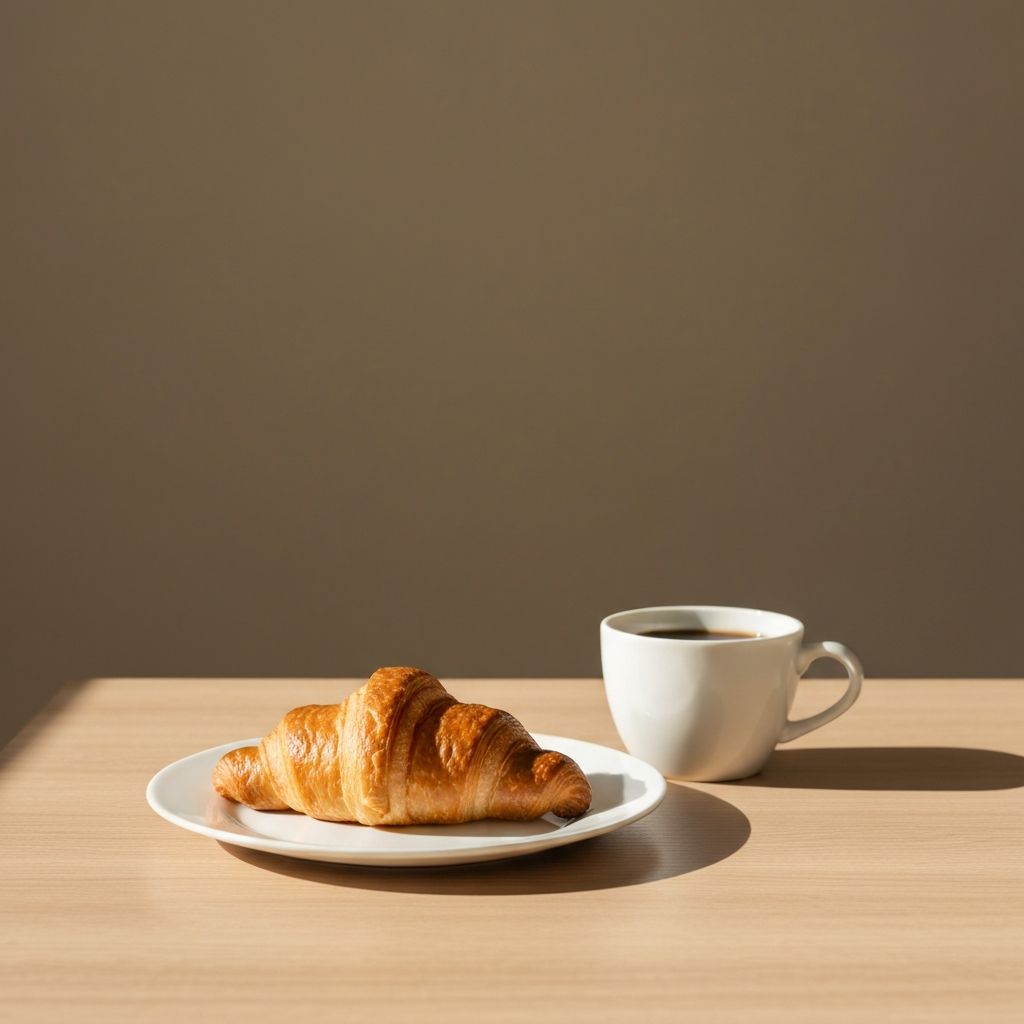
How Habits Form Around Food Choices
Food habits develop through repeated daily actions. Over time, our brains recognize patterns in when, where, and what we eat. These patterns become automatic, requiring less conscious decision-making with each repetition.
Understanding habit formation means exploring how our nervous system learns food associations and routines. Scientific research shows that consistent repetition creates neural pathways that make certain eating behaviors feel natural and effortless.


Automatic vs Intentional Food Behaviours
Many daily eating moments happen automatically. We reach for familiar foods without deliberate thought, guided by habit rather than conscious planning. This automatic process conserves mental energy, allowing our minds to focus on other tasks.
At the same time, we maintain capacity for intentional eating moments—times when we consciously choose what to eat based on preferences, circumstances, or planned meals. Both automatic and intentional behaviours coexist in our daily routines.
Environmental Cues in Daily Eating
Our surroundings influence food choices more than we often realize. Kitchen design, food visibility, storage methods, and the presence of certain items all shape our eating patterns. What we see and have access to affects what we choose to eat.
Researchers have found that environmental factors—from the arrangement of kitchen items to the people we eat with—create cues that trigger eating behaviours. Understanding these environmental influences helps explain why eating patterns vary between different settings and social contexts.


Role of Repetition in Nutritional Patterns
Repetition is the foundation of habit. When we eat similar foods at similar times repeatedly, these patterns strengthen neural connections associated with eating. This creates consistency in our daily nutritional routines.
Research on habit loops shows that when behaviour, timing, and context repeat together, the brain begins to anticipate and prepare for these moments. This repetition creates predictability in how we approach daily meals and snacks.
Energy Perception and Routine Eating
How we perceive our daily energy levels connects to eating patterns. Regular meal times and consistent food choices create predictable states that our bodies learn to anticipate. This predictability influences how we experience energy fluctuations throughout the day.
Different individuals have different baseline eating routines, and these variations create different energy experiences. Understanding your personal eating patterns and their timing can help explain your unique energy perceptions during the day.

Explore Further
Frequently Asked Questions
Food habits are repeated eating behaviours that become automatic through practice. Food preferences are personal tastes and attractions to certain foods. Habits often develop regardless of preferences—we might habitually eat something even if we don't strongly prefer it. Over time, repeated habits can influence our preferences.
Research suggests habit formation varies significantly between individuals and contexts. Some patterns may establish in weeks of consistent repetition, while others develop over months or years. Factors like the complexity of the behaviour, environmental consistency, and individual differences all affect how quickly habits form.
Eating patterns certainly influence daily experience. Regular meal timing creates physiological expectations that affect alertness and mood. Consistent food choices may affect how you experience energy, digestion, and overall comfort. However, individual responses to eating patterns vary considerably.
No. This is an educational resource explaining general scientific principles about eating habits. It is not personalized guidance, medical advice, or dietary recommendations. For concerns about your individual eating or health, consult with qualified healthcare professionals.
Learn More About Habit Science
Explore research-based articles exploring different aspects of daily eating patterns and their influence on how we experience our days.
Continue Reading